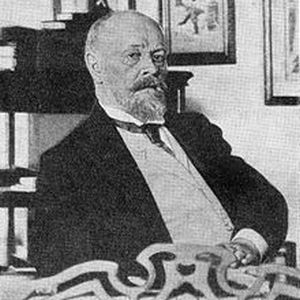
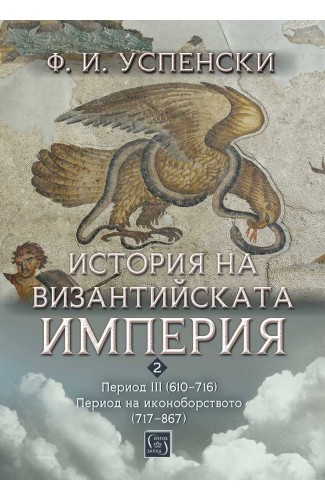
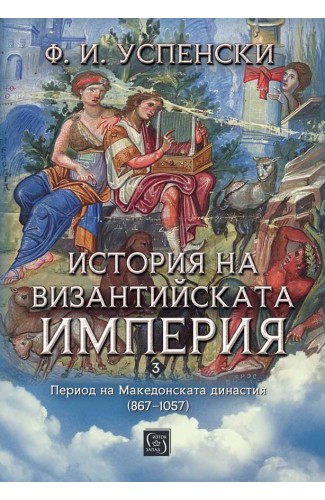
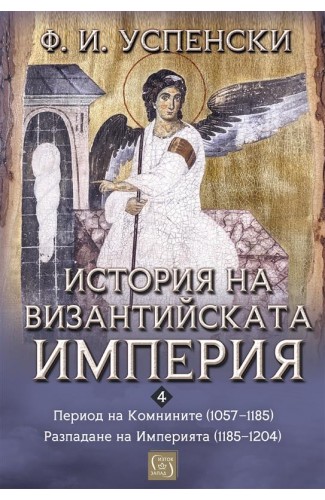
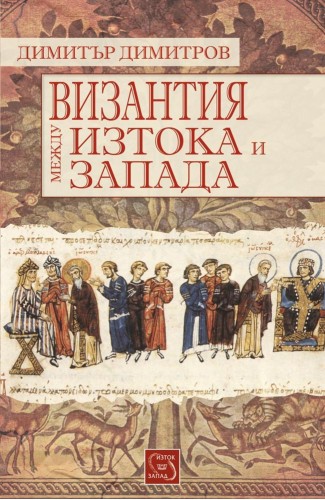
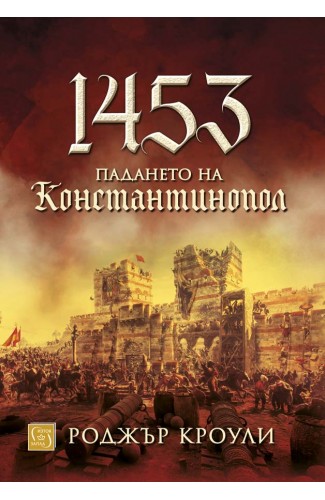
The doyen of Russian Byzantine studies, Academician Fyodor Ivanovich Uspensky (1845–1928), devoted his life to studying various aspects of the history of Byzantium, its literature, and its art. Uspensky left behind a lasting legacy, as he was a man of action who viewed science as a pursuit of discovery and sought it not in books, but in monuments, archives, research, and excavations.
There is hardly a question in Byzantine history that did not attract his attention, and his search for answers always passed through thorough and insightful interpretation of sources. Often in the life and scholarly work of a researcher comes a moment when they decide to synthesize and summarize their studies, to unite them into a single comprehensive work. For Uspensky, this was his desire to present a general history of Byzantium, through which to provide his compatriots with “a complete system in a field” that he defined as “the most important after our national history.” He began his colossal work while serving as director (1894–1914) of the Russian Archaeological Institute in Constantinople, which was closed when Russia and the Ottoman Empire became adversaries during the First World War. The aim of this magnum opus, titled “History of the Byzantine Empire,” is to cover Byzantine history fully and comprehensively, while also being accessible and easy to understand for readers. The narrative stands out with Uspensky’s unique perspective on the causes and course of historical events, supported by his excellent knowledge of sources and mastery of the historical material.
His history is an intellectually captivating journey through an empire that saw itself as the bearer of Greek tradition, the heir of Roman legitimacy, and the guardian of the original purity of faith. The author’s skillful hand presents to the reader various aspects of the ingenuity, education, and resourcefulness of Byzantine society, without which it cannot be understood. In this way, it becomes possible to observe Byzantium’s remarkable and rare ability to merge traditions with heritage, which on several occasions gave it the opportunity and strength to rise from the ashes and fight for its survival.
"History of the Byzantine Empire" is published in Bulgarian in five volumes, with the first volume divided into two parts.
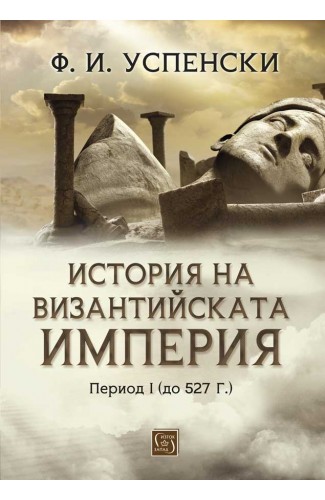
Volume 1, Period I Period I (up to 527). Elements of the formation of Byzantinism
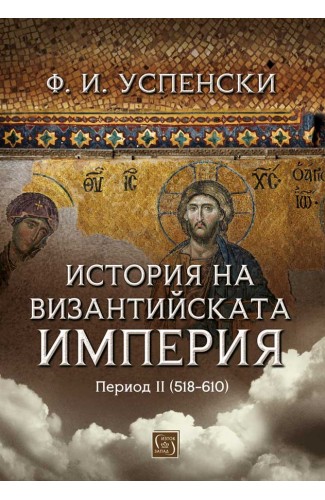
Volume 1, Period II Period II (518–610). From Justinian I to Heraclius
Volume 2, Periods III–IV Period III (610–716). Heraclius and his successors. Period of Iconoclasm (717–867)
Volume 3, Period V Period of the Macedonian dynasty (867–1057)
Volume 4, Periods VI–VII Period VI. Komnenoi (1057–1185). Period VII. Disintegration of the Empire (1185–1204)
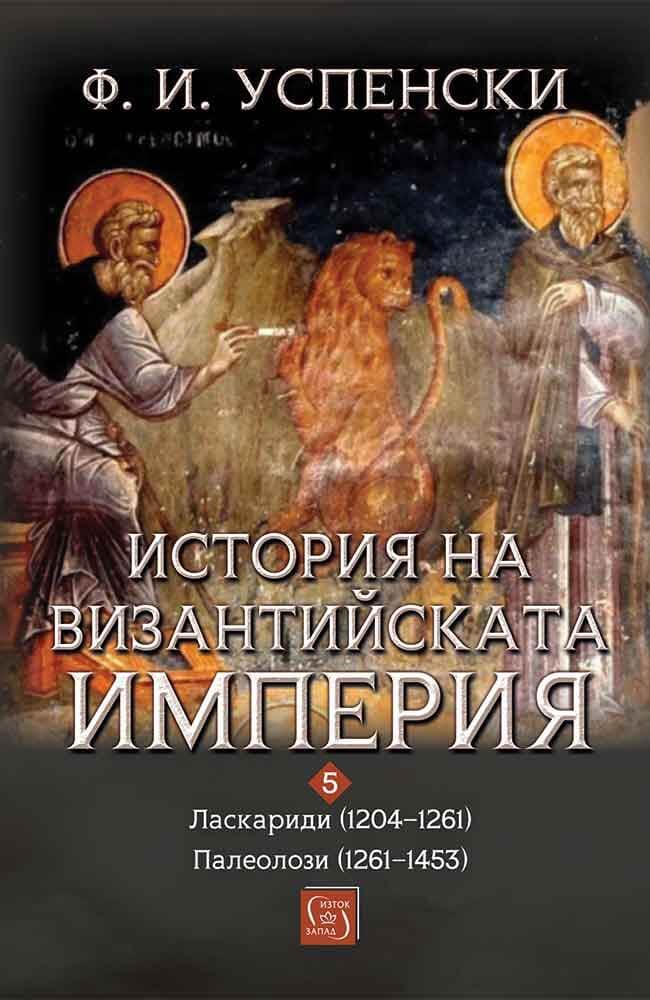
Volume 5, Periods VIII–IX Laskarids (1204–1261). Palaiologoi (1261–1453)
Don’t miss a thing! Subscribe to our newsletter and receive our latest articles, offers, and news directly in your inbox.
Cookie settings
We use cookies to provide you with the best possible experience. They also allow us to analyze user behavior in order to constantly improve the website for you.