Welcome to the new website of “Iztok-Zapad” – quality books, knowledge, and inspiration all in one place!
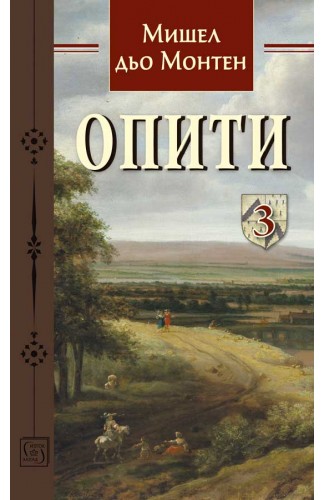
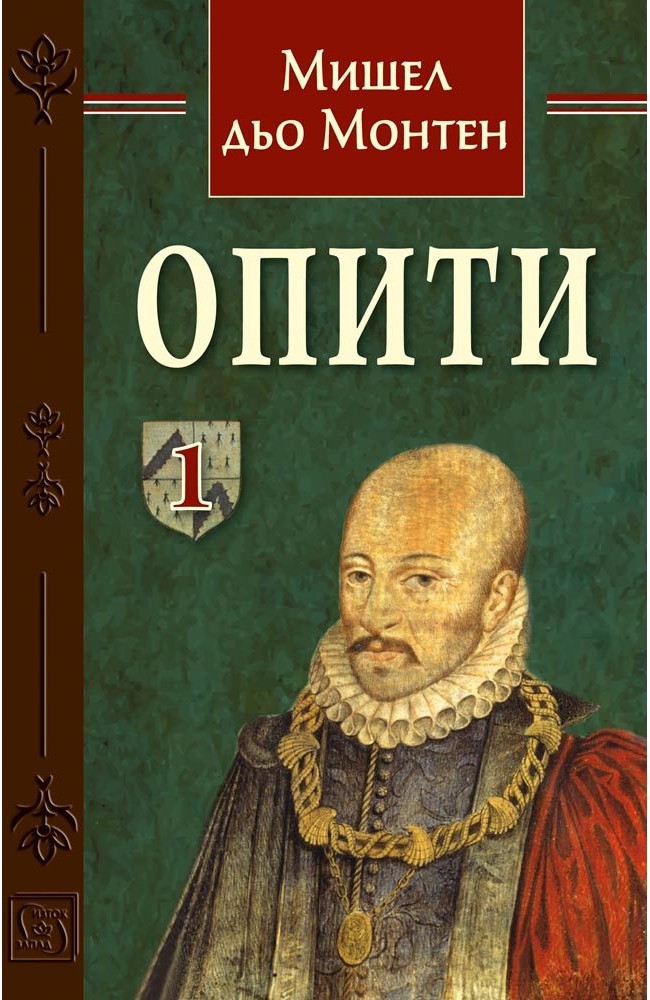
Essays. Volume 1

Essays. Volume 1

Sale -20%
  • 15.34€ / 30.00 лв.
  • 12.27€ / 24.00 лв.

Turn the Page. See the World: This month only, enjoy a 20% discount on all books.

Product Code:
1944-01
ISBN
978-619-01-0045-4
SKU
15.0067
Year
15-05-2017
Translation
From French: Todor Chakarov Hristov, translation of the Latin texts and notes: Anna B. Nikolova
Pages
544
Size
140/215 мм
Weight
0.65 kg
Collection
Колекция "Тезаурус"
Cover Type
Hardcover
Genre
Modern Philosophy

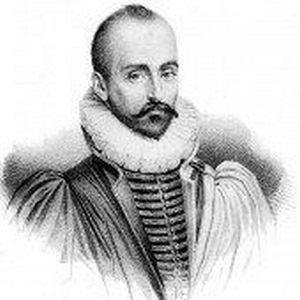
Michel de Montaigne

Michel de Montaigne

Michel Eyquem de Montaigne, Lord of Montaigne (1533–1592) was one of the most significant philosophers of the French Renaissance, known for popularizing the essay as a literary genre. His work is noted for its merging of casual anecdotes and autobiography with serious intellectual insight; his massive volume Essais contains some of the most influential essays ever written. Montaigne had a direct i…
Read more

Montaigne heavily edited Essays at various points in his life.

Montaigne's stated goal in his book is to describe man, and especially himself, with utter frankness and honesty (bonne foi"). He finds the great variety and volatility of human nature to be its most basic features, which resonates to the Renaissance thought about the fragility of humans. According to the scholar Paul Oskar Kristeller, "the writers of the period were keenly aware of the miseries and ills of our earthly existence". A representative quote is "I have never seen a greater monster or miracle than myself."

He opposed European colonization of the Americas, deploring the suffering it brought upon the natives.

Citing the case of Martin Guerre as an example, he believes that humans cannot attain certainty. His skepticism is best expressed in the long essay "An Apology for Raymond Sebond" (Book 2, Chapter 12) which has frequently been published separately. We cannot trust our reasoning because thoughts just occur to us: we don't truly control them. We do not have good reasons to consider ourselves superior to the animals. He is highly skeptical of confessions obtained under torture, pointing out that such confessions can be made up by the suspect just to escape the torture he is subjected to. In the middle of the section normally entitled "Man's Knowledge Cannot Make Him Good," he wrote that his motto was "What do I know?". The essay on Sebond defended Christianity. Montaigne also eloquently employed many references and quotes from classical Greek and Roman, i.e. non-Christian authors, especially the atomist Lucretius.

There are no reviews for this product.