
Sale -20%
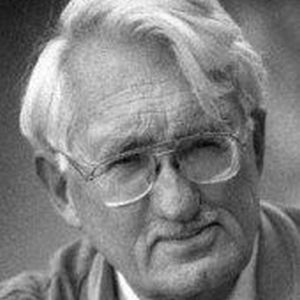
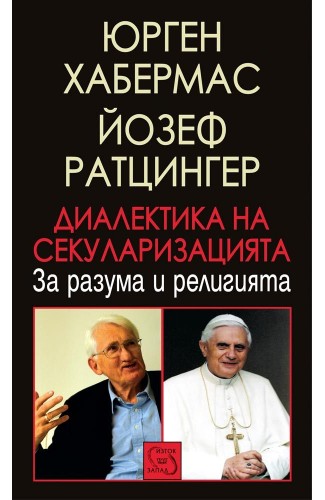
Jürgen Habermas (born 18 June 1929) is a German philosopher and sociologist in the tradition of critical theory and pragmatism. He is perhaps best known for his theories on communicative rationality and the public sphere. In 2014, Prospect readers chose Habermas as one of their favourites among the "world's leading thinkers".
Associated with the Frankfurt School, Habermas's work focuses on the foundations of epistemology and social theory, the analysis of advanced capitalism and democracy, the rule of law in a critical social-evolutionary context, and contemporary politics, particularly German politics. Habermas's theoretical system is devoted to revealing the possibility of reason, emancipation, and rational-critical communication latent in modern institutions and in the human capacity to deliberate and pursue rational interests. Habermas is known for his work on the concept of modernity, particularly with respect to the discussions of rationalization originally set forth by Max Weber. He has been influenced by American pragmatism, action theory, and even poststructuralism.