
Sale -20%
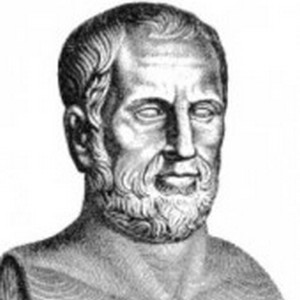
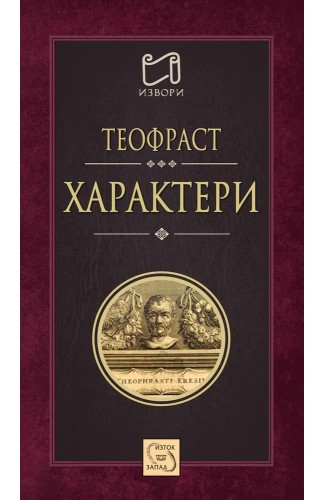
Theophrastus (c. 371 – c. 287 BC), a Greek native of Eresos in Lesbos, was the successor to Aristotle in the Peripatetic school. He came to Athens at a young age and initially studied in Plato's school. After Plato's death, he attached himself to Aristotle who took to Theophrastus his writings. When Aristotle fled Athens, Theophrastus took over as head of the Lyceum. Theophrastus presided over the Peripatetic school for thirty-six years, during which time the school flourished greatly. He is often considered the father of botany for his works on plants. After his death, the Athenians honoured him with a public funeral. His successor as head of the school was Strato of Lampsacus.
The interests of Theophrastus were wide-ranging, extending from biology and physics to ethics and metaphysics. His two surviving botanical works, Enquiry into Plants (Historia Plantarum) and On the Causes of Plants, were an important influence on Renaissance science. There are also surviving works On Moral Characters, On Sense Perception, On Stones, and fragments on Physics and Metaphysics. In philosophy, he studied grammar and language and continued Aristotle's work on logic. He also regarded space as the mere arrangement and position of bodies, time as an accident of motion, and motion as a necessary consequence of all activity. In ethics, he regarded happiness as depending on external influences as well as on virtue.