
Sale -20%
Sale -20%
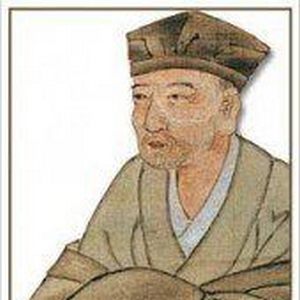
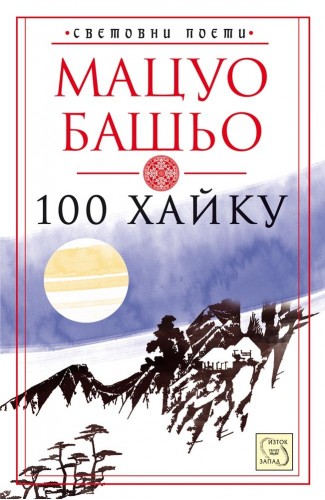
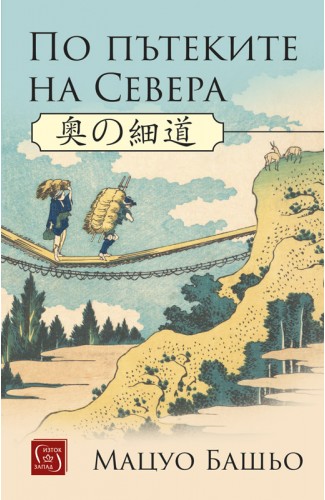
Matsuo Bashō (1644–1694) was the most famous poet of the Edo period in Japan. During his lifetime, Bashō was recognized for his works in the collaborative haikai no renga form; today, after centuries of commentary, he is recognized as the greatest master of haiku (then called hokku). Matsuo Bashō's poetry is internationally renowned; and, in Japan, many of his poems are reproduced on monuments and traditional sites. Although Bashō is justifiably famous in the West for his hokku, he himself believed his best work lay in leading and participating in renku. He is quoted as saying, "Many of my followers can write hokku as well as I can. Where I show who I really am is in linking haikai verses."
Bashō was introduced to poetry at a young age, and after integrating himself into the intellectual scene of Edo (modern Tokyo) he quickly became well known throughout Japan. He made a living as a teacher; but then renounced the social, urban life of the literary circles and was inclined to wander throughout the country, heading west, east, and far into the northern wilderness to gain inspiration for his writing. His poems were influenced by his firsthand experience of the world around him, often encapsulating the feeling of a scene in a few simple elements.