
„The ultimate sacrifice of the Radium Girls made the world a safer place“
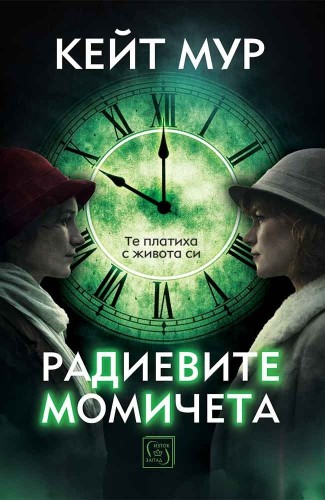
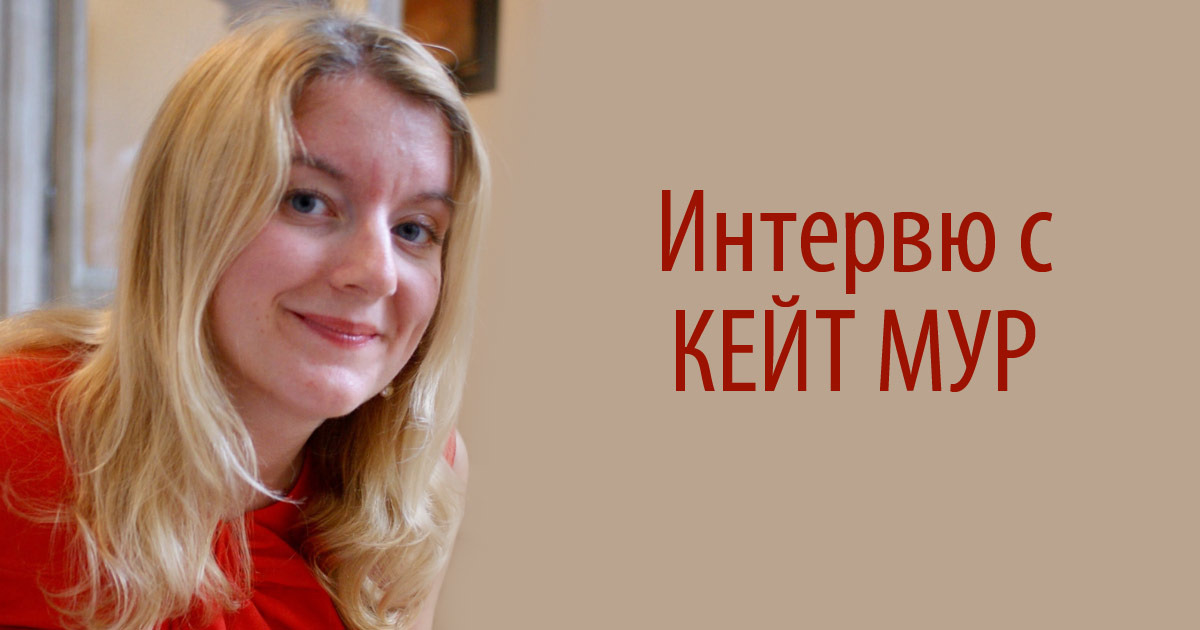 Interview with Kate Moore, author of The Radium Girls
The
Radium Girls lived through the Roaring Twenties - a time of progress, and rapid
industrial growth. Do you see parallels with today's world, where innovation
often comes with hidden costs?
One
of the saddest things about this story is that, even though it takes place 100
years ago, so many elements of the story feel familiar. And familiar not just
to today’s world, but because we have seen similar stories play out over and
over across the past century, history repeating itself. The story of our
discovery that smoking was harmful to health, for example, shares so many
similarities with the story of the radium girls. In terms of today’s world
specifically, I think of social media and AI. We’re perhaps only just now
coming to appreciate the damage that the former has done to our society, while
AI is still the great unknown – for now.
How
much has really changed for women since then? Do you believe their
sacrifice truly meant something?
I think these are almost two different questions. I think the world is a very different place for women now, in 2026, than it was in 1926 – in a positive way. We have made many fantastic leaps forward, but the battle for equality, and for respect, goes on. Something that I think is still relevant for today is the way the radium girls weren’t listened to when they went to doctors, the way their pain was minimized and they were fobbed off with explanations that didn’t make sense and treatments that didn’t help. We still see that happening a lot with women’s health today, though I think the medical profession is trying actively to address historic wrongs and entrenched bias.
As
for whether their sacrifice meant something – yes, it absolutely did. Before
the radium girls brought the dangers of radiation to the world’s attention, it
was a very different world indeed. Radioactive snacks, cosmetics, health
products and lingerie (to name just a few products) were all available for sale
to the everyday consumer, and those consumers were being put at risk. In
workplaces using radioactive materials – particularly small amounts – there
were no or merely limited safeguards for employees. The radium girls changed
all that – the products were eventually banned and the workplaces introduced
safety standards. Millions of people continue to be protected to this day. And
looking at an even bigger picture – in 1963, President Kennedy signed the
Limited Test Ban Treaty, prohibiting above-ground atomic bomb tests. He did so
partly in response to scientific studies on the radium girls, which revealed
the long-term harm of exposure to even low levels of radiation. That treaty
protected millions of people – and the planet – from nuclear bomb tests. So
yes, their sacrifice meant the world and we all benefit from the sacrifice they
made, every single day.
By
bringing the stories of women from the past into the present, you seem to shape
the consciousness of women in the future. Do you believe there is an invisible
thread of courage that runs through these lives across time?
I
certainly hope that readers will be inspired by the story of the radium girls.
I know I am. These women were extraordinarily courageous, and faced enormous
tragedy with strength and dignity. I hope their story inspires readers to fight
for what they believe in, and gives readers the courage to stand up for
themselves – just as the radium girls did.
Your
book reveals how the truth about radiation was hidden for profit. In Bulgaria,
the memory of Chernobyl still lingers, when the truth was also kept from the
public. How does a society begin to heal from such a deep breach of trust?
It’s
very hard. I should imagine your country’s own wounds are still healing, that
it is still difficult to trust those in authority. I think transparency has to
be the answer. But the whole situation is complicated by what we have discussed
in the first question – that history can repeat itself and does. How do you
trust, when experience tells us that power corrupts, and we see that corruption
playing out across the world?
Have
the tools changed (but not the intent) when it comes to misleading
the public, from radium propaganda to today's internet disinformation?
Yes.
I think the striking thing about the internet’s disinformation is that
sometimes – unlike in the radium girls’ story – it is not only or merely a
company trying to mislead. It’s like the truth – and the mistruths – are out of
control now; it’s gone beyond a propaganda campaign on certain topics.
How
do you carry the emotional weight of researching such painful stories? Was
there ever a point when it became too much to bear? Has there ever been a
moment while writing this book when you found yourself in tears?
I
was frequently in tears when writing the book! Hopefully my emotional
connection to the story is part of its appeal – I hope that readers will feel
connected to the women as I do, and mourn their deaths as I do and did while
writing. There was never a point when it became too much to bear – I simply
felt this desire to help them tell their story and that it was a huge honour
and privilege to have the opportunity to do that. I know some readers sometimes
have to stop reading when the story becomes overwhelming, but I never shied
away from including those weighty, impactful moments. My feeling was that the
radium girls could never take a break from what was happening to them, so it
was my responsibility as a writer to give the unvarnished truth in the book –
no whitewashing, no pulling any punches, no matter how hard it was to read or
write.
In
what ways did writing The Radium Girls affect you—personally, and in your view
of science? What stayed with you most?
Writing
The Radium Girls has changed my life, and I am grateful to the women every
single day. They are my idols and I remain in awe at what they achieved. I am
so thrilled that the book has reached readers as I hoped it would – that
readers are remembering these special women, and that they have not been
forgotten. It is the radium girls themselves who have stayed with me.
As
for my view of science, I guess I’ve learned to take things with a pinch of
salt, to be wary of claims of wonder drugs, and to be vigilant – as I think we
all need to be – to ensure something similar doesn’t happen again.
If
you had the chance to stand beside one of these women in her final moments,
what would you tell her?
What
an emotive question. I would tell her she’s been amazing, I would tell her she
will not be forgotten, I would tell her she is not dying in vain. I would tell
her now to rest in peace.
What
do these women ultimately teach us about the true depth of human strength and
dignity? What would you hope every young woman feels after reading this
book?
The
radium girls faced a powerful corporation intent on silencing them, while in
the most horrific pain imaginable, and came out on top. They acted
altruistically to fight for justice, they demonstrated courage, strength and dignity
beyond anything I’ve ever encountered, and they did it all as a sisterhood. I
hope every young woman – and man – after reading this book feels:
1/
anger at the corporate world that continues to prioritise profit over people;
2/
belief in themselves that – no matter how small they may be told they are –
they can make a difference;
and
3/ immense grief for these special young women, who changed the world for the
better, but did not live to see the impact of their ultimate sacrifice.
Interview
by Antonia Krasina
Products related to this post
Comments