
Sale -20%
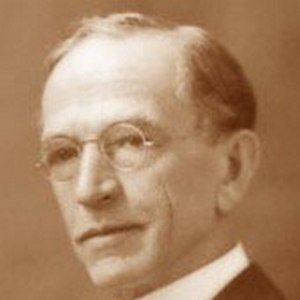
Frank Bird Linderman (1869–1938) was a Montana writer, politician, Native American ally and ethnographer.
Linderman was born in Cleveland, Ohio. He was the child of James Bird Linderman and Mary Ann Brannan Linderman. He attended schools in Ohio and Illinois, including Oberlin College, before moving to Montana Territory in 1885 at the age of sixteen. Frank Linderman went to the shores of Flathead Lake, where he learned Indian ways and lived as they lived. To know them better he mastered the sign language, a feat which gained him the name Sign-talker, or, sometimes Great Sign-talker.
From 1893 to 1897, he worked in Butte, Montana, then moved to Brandon, Montana. Around 1900, he moved to Sheridan, Montana, where he worked several jobs, as an assayer, furniture salesman, and at a newspaper. He also lived in Sheridan, Demersville (now Kalispell), Helena, and Butte.
Linderman served in the state Legislature as the representative from Madison County, Montana in 1903 and 1905. He served as Assistant Secretary of State from 1905–07, after moving to the new state capital of Helena in 1905. Through his work, the Rocky Boys Indian Reservation was established by law in 1916.
In 1924, Linderman ran for the United States Senate against incumbent Democratic United States Senator Thomas J. Walsh. He won the Republican primary against Wellington D. Rankin, the Attorney General of Montana, and advanced to the general election, where he lost to Walsh by a wide margin.
u