Welcome to the new website of “Iztok-Zapad” – quality books, knowledge, and inspiration all in one place!
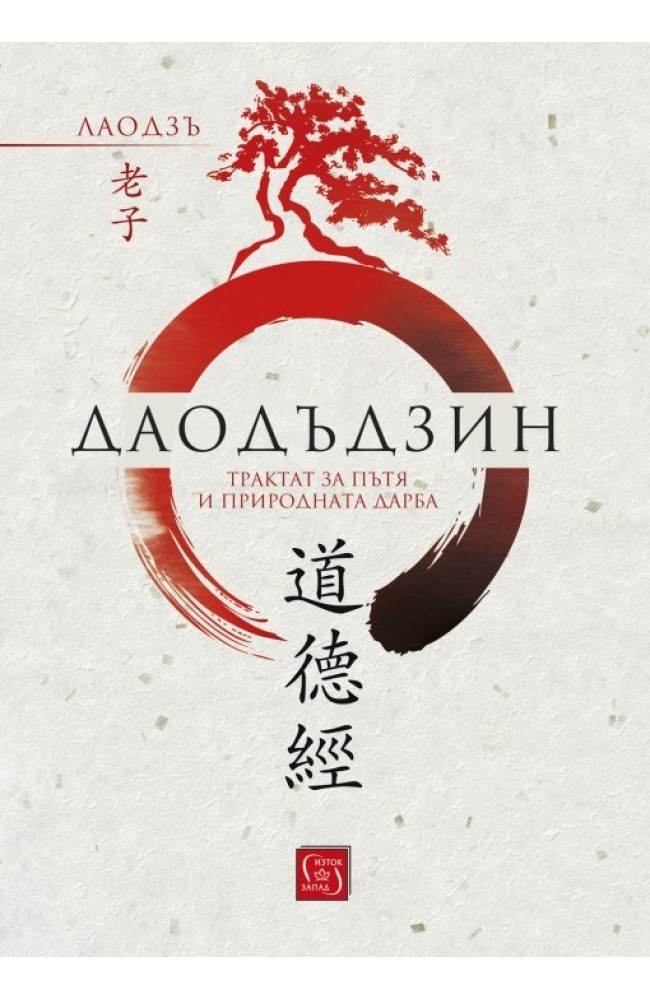
Daodejing

Daodejing

Sale -20%
  • Brand: Laozi
  • Availability: In Stock
  • 17.90€ / 35.00 лв.
  • 14.32€ / 28.00 лв.

Turn the Page. See the World: This month only, enjoy a 20% discount on all books.

Product Code:
2282-01
ISBN
978-619-01-0405-6
SKU
05.0129
Year
18-03-2019
Translation
from Old Chinese: Teodora Kutzarova
Pages
464
Size
168/240 мм
Weight
0.54 kg
Cover Type
Hardcover
Genre
Dao, China, Buddhism, Eastern Wisdom & Philosophy, Culturology, Linguistics, Eastern Philosophy, Bilingual & Multilingual

Laozi

Laozi

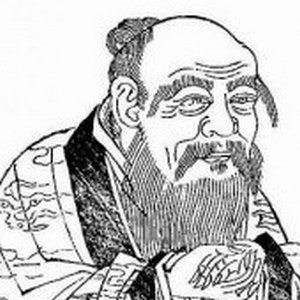
Laozi (literally "Old Master"), also rendered as Lao Tzu and Lao-Tze, was an ancient Chinese philosopher and writer. He is the reputed author of the Tao Te Ching, the founder of philosophical Taoism, and a deity in religious Taoism and traditional Chinese religions. A semi-legendary figure, Laozi was usually portrayed as a 6th-century BC contemporary of Confucius, but some modern historians consid…

Read more

Daodejing,Wade-Giles romanization Tao-te Ching, classic of Chinese philosophical literature. The name was first used during the Han dynasty (206BC-AD 220); it had previously been called Laozi in the belief that it was written by Laozi, identified by the historian Sima Qian as a 6th-century-BC curator of the imperial Chinese archives. Laozi, however, is better known as the reputed founder of Daoism, a way of life (the Chinese word daomeans “way”) that, among many competing “Ways,” alone became known as the Dao school, or Daoism. The long tradition that Laozi was the author of the Daodejing was so badly shaken in the 19th century that some scholars even questioned the historical existence of the sage. The classic itself, moreover, contains no references to other writings, persons, events, or places that might provide a clue for dating the composition. Scholarly opinions consequently range between the 8th and the 3rd century BC.

The Daodejing presented a way of life intended to restore harmony and tranquillity to a kingdom racked by widespread disorders. It was critical of the unbridled wantonness of self-seeking rulers and was disdainful of social activism based on the type of abstract moralism and mechanical propriety characteristic of Confucian ethics. The Dao of the Daodejing has received a wide variety of interpretations because of its elusiveness and mystical overtones, and it has been a basic concept in both philosophy and religion. In essence, it consists of “nonaction” (wuwei), understood as no unnatural action rather than complete passivity. It implies spontaneity, noninterference, letting things take their natural course: “Do nothing and everything is done.” Chaos ceases, quarrels end, and self-righteous feuding disappears because the Dao is allowed to flow unchallenged and unchallenging. Everything that is comes from the inexhaustible, effortless, invisible, and inaudible Way, which existed before heaven and earth. By instilling in the populace the principle of Dao, the ruler precludes all cause for complaint and presides over a kingdom of great tranquillity.

The popularity of the Daodejing is reflected in the vast number of commentaries that have been written: over 350 have been preserved in Chinese and about 250 in Japanese. Since 1900 more than 40 translations have appeared in English.

Моника Евстатиева 08/03/2024

Изключителен превод, който не само предава древнокитайската мъдрост за Природата и света, но потапя читателя в атмосферата, на неговото написване. Внимателното и прецизно предаване на всяка логограма създава нови интертекстуални и семантични отношения и връзки в рамките на текста, които се превръщат в неизменна част за неговото дълбоко разбиране. Поклон към труда на Теодора Куцарова, която неминуемо трябва да се гордее с това, което е направила, както и ние българите.

Изток-Запад 17/01/2022

Благодарим за вашия коментар. Моля имайте предвид, че преводът на "Даодъдзин" на български език бе закупен от едно от най-големите издателства в Китай - Издателството за чуждоезикова литература. Според нас това е признание, че преводът е оценен като принос за превода на едно от основните съчинения на китайската философия на чужд език.

Тодор Желев 08/12/2021

1 ред Лао и 3 страници обеснения от някой си. книгата е повече речкник и уроци по китаиски от колкото текста на Лао Дзъ.
Предимства: Твърда корица
Недостатъци: Всичко останало

Дамян Братоев 26/06/2019

Тъй като покрай новия облик на сайта, явно са си заминали не само старите профили, а и голяма част от коментарите, ще преповторя моя накратко: книгата е със страхотен превод, но изложението му го няма в цялостен вид на български(има го на английски в края). Текстът на български е на малки порции(стихове) и е толкова затрупан от бележки под и над линия и разяснения, че се губи удоволствието от четенето. Точно затова и не си закупих тази книга.
Предимства: Великолепен превод.
Недостатъци: Пропуснато е да бъдат добавени няколко страници, които да дадат възможност на читателя да прочете текста на български в цялостен вид.