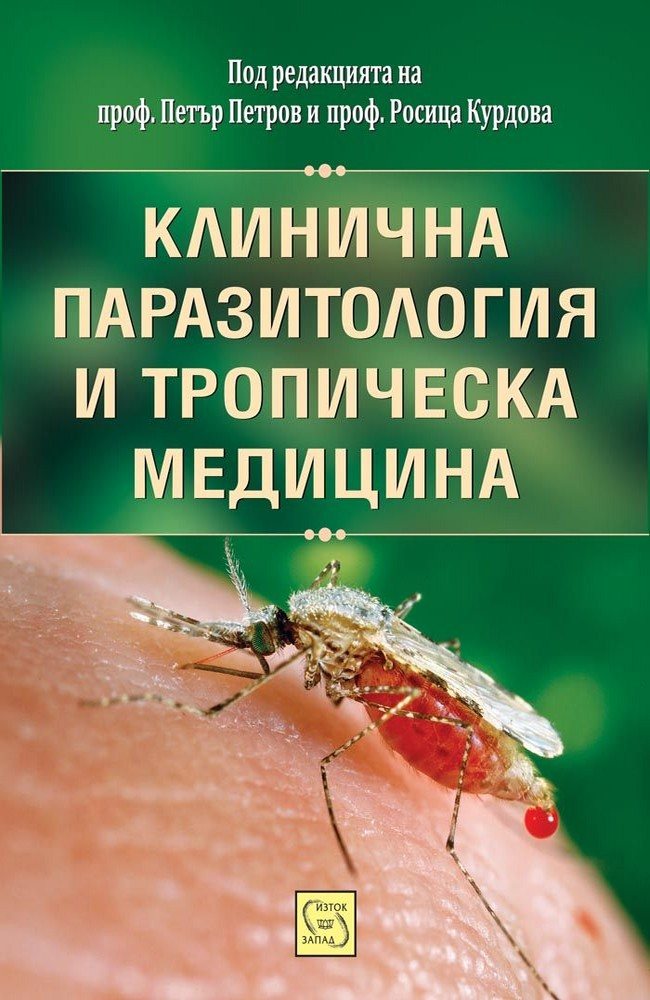
Parasitic diseases caused by protozoans and helminths (parasitic worms) are one of the most widespread diseases in humans. According to the World Health Organization (WHO), more than three billion of the world's population have parasitosis, and in most tropical or subtropical countries, they are the leading cause of prevalence, morbidity and cause of death for the population. In our country, over 20 types of local parasitosis are described, some with wide or epidemic spread - enterobiasis, echinococcosis, trichinellosis, ascariasis, toxoplasmosis,trichomoniasis, giardiasis and others. They also cause other pathological conditions such as allergies, gastroenterocolitis, urogenital diseases, abdominal complications (ileus, perforation, pancreatitis etc.), dermatoses, fetopathology, anemia, etc. A new pathology of great health significance is HIV and AIDS-associated opportunistic parasitoses pneumocystis, toxoplasmosis, visceral leishmaniasis, cryptosporidiosis, etc., which often end with death. Pneumocystis with pulmonary complications or disseminated is a common direct cause of death of AIDS patients. The contacts of Bulgaria with tropical countries increased the import of tropical diseases, including parasitosis, in Bulgaria. More than 50 types of imported protozoans and helminths represent both clinical and therapeutic problems such as early diagnosis and treatment, as well as a real epidemic threat of local distribution (malaria, amnesia dysentery, visceral and cutaneous leishmaniasis, lymphatic phleriosis, etc.).
Don’t miss a thing! Subscribe to our newsletter and receive our latest articles, offers, and news directly in your inbox.
Cookie settings
We use cookies to provide you with the best possible experience. They also allow us to analyze user behavior in order to constantly improve the website for you.