
New
Comming soon
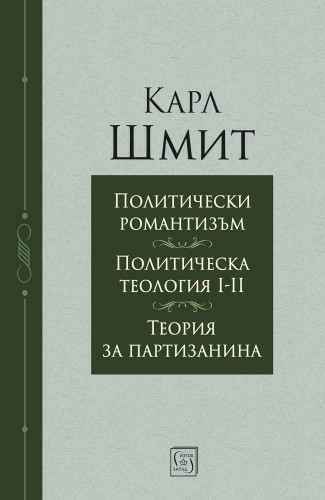
Carl Schmitt (1888–1985) was a German jurist, political philosopher, and theorist of the state. Born in Plettenberg, Germany, he is considered one of the most influential thinkers of the twentieth century. He is known for his critique of liberalism and parliamentary democracy, as well as his ideas on sovereignty and political power.
Among his best-known works are Political Theology (1922), The Concept of the Political (1927), and The Nomos of the Earth (1950). In these works, he develops the thesis that the sovereign is he who decides on the state of exception, and defines the distinction between friend and enemy as the essence of the political.
In 1933, Schmitt joined the Nazi Party and supported Hitler’s regime, which remains the most controversial aspect of his biography. After World War II, he was detained by the Allies. He died in 1985. His legacy continues to exert influence on political philosophy, law, and state theory.
Subscribe and stay tuned
Don’t miss a thing! Subscribe to our newsletter and receive our latest articles, offers, and news directly in your inbox.
Cookie settings
We use cookies to provide you with the best possible experience. They also allow us to analyze user behavior in order to constantly improve the website for you.